
Mastering California Nonprofit Board Training
california nonprofit board training

Mastering California Nonprofit Board Training

Unlock effective governance and compliance for your California nonprofit with expert-led board development.

Start Your Training

Key Takeaways

  • ✓ California nonprofits must adhere to specific state and federal regulations.
  • ✓ Effective board training enhances strategic planning and fundraising capabilities.
  • ✓ Fiduciary duties (Duty of Care, Loyalty, Obedience) are paramount for CA board members.
  • ✓ Ongoing education is crucial for adapting to evolving legal landscapes and best practices.

How It Works

1
Assess Current Board Needs

Identify knowledge gaps, skill deficits, and areas for improvement among your current board members. This initial assessment helps tailor training content to your organization's specific requirements.

2
Select Training Provider/Method

Choose between in-person workshops, online courses, or customized consulting services based on your budget, schedule, and preferred learning style. Ensure the provider specializes in California nonprofit law.

3
Implement Training Program

Engage board members in the selected training, covering essential topics like legal compliance, financial oversight, strategic planning, and fundraising. Encourage active participation and discussion.

4
Evaluate and Reinforce Learning

Assess the effectiveness of the training through feedback, post-training surveys, and observed improvements in board performance. Implement ongoing education and resource sharing to reinforce learned concepts.

Understanding the Imperative for California Nonprofit Board Training

A multicultural group of professionals engaged in a business meeting in a modern conference room. Photo: Werner Pfennig / Pexels
In the dynamic landscape of nonprofit organizations, particularly within the unique regulatory environment of California, robust and continuous board training is not merely a recommendation—it is an absolute imperative. California's legal framework for nonprofits, including the Nonprofit Corporation Law (Corporations Code) and various charitable trust laws, imposes significant responsibilities and liabilities on board members. Without proper training, even the most well-intentioned board can inadvertently expose the organization to legal risks, financial mismanagement, and a failure to achieve its mission effectively. The complexity of operating a nonprofit in California demands a clear understanding of governance best practices, fiduciary duties, and compliance requirements. This foundation ensures that board members are not just figureheads, but active, informed stewards of the public trust and the organization's assets. Effective California nonprofit board training goes far beyond a one-time orientation; it's an ongoing journey of education and development. New board members require foundational knowledge about their roles, responsibilities, and the specific legal landscape of California. This includes understanding the organization's bylaws, strategic plan, and financial health. Existing board members, on the other hand, benefit from refreshers on evolving regulations, emerging best practices in governance, and specialized topics such as ethical dilemmas, risk management, and advanced fundraising strategies. For instance, changes in state charitable solicitation laws or new reporting requirements from the Attorney General’s office can significantly impact a nonprofit's operations. Board members who are not kept abreast of these changes through regular training are ill-equipped to guide the organization through compliance challenges. Moreover, the very essence of a nonprofit's mission-driven work necessitates a highly engaged and knowledgeable board. A well-trained board is better positioned to engage in strategic planning, ensuring the organization remains relevant and impactful in its community. They can more effectively oversee financial resources, making sound decisions that protect the organization's solvency and sustainability. Furthermore, a board that understands its role in fundraising and donor relations can significantly bolster the organization's ability to secure necessary funding. In a competitive philanthropic environment, a board that can articulate the nonprofit's value, engage with potential donors, and understand the nuances of philanthropic giving is an invaluable asset. Investing in comprehensive nonprofit board development is an investment in the organization's future, safeguarding its mission and ensuring its long-term viability in California. Finally, the reputational integrity of a nonprofit is intrinsically linked to the competence and ethical conduct of its board. Public trust, which is critical for fundraising and community support, can be swiftly eroded by instances of poor governance or ethical lapses. Comprehensive training instills a strong ethical compass in board members, emphasizing transparency, accountability, and conflict-of-interest policies. It equips them with the tools to identify and mitigate potential conflicts, ensuring that all decisions are made in the best interest of the organization and its beneficiaries. By prioritizing California nonprofit board training, organizations not only comply with legal obligations but also cultivate a culture of excellence, integrity, and unwavering commitment to their mission, ultimately strengthening the entire nonprofit sector within the state.

Key Components of Essential California Nonprofit Governance

Smiling volunteer woman carrying aid boxes for a charity event. Photo: RDNE Stock project / Pexels
Effective California nonprofit governance hinges on several foundational pillars, each requiring dedicated attention during board training. Understanding these components is critical for any board member seeking to fulfill their duties diligently and ethically. First and foremost are the Fiduciary Duties: the Duty of Care, the Duty of Loyalty, and the Duty of Obedience. The Duty of Care requires board members to act in good faith and with the prudence an ordinarily careful person would exercise in a like position and under similar circumstances. This means being informed, attending meetings, asking questions, and making decisions based on adequate information. The Duty of Loyalty demands that board members act in the best interest of the organization, not for personal gain, and avoid conflicts of interest. This often involves disclosing potential conflicts and recusing oneself from relevant discussions or votes. Lastly, the Duty of Obedience mandates that board members adhere to the organization’s mission, bylaws, and all applicable laws and regulations, both federal and state. Beyond these fundamental duties, a deep understanding of California-specific legal and regulatory compliance is paramount. California has some of the most stringent regulations for charitable organizations in the U.S. Board training must cover topics such as initial registration requirements with the California Attorney General's Registry of Charitable Trusts, annual reporting obligations (Form RRF-1, Form 990), and compliance with state solicitation laws. It should also delve into specific aspects of California's Corporations Code related to nonprofit entities, including rules for board meetings, voting, corporate records, and director indemnification. Neglecting these state-specific requirements can lead to significant penalties, loss of tax-exempt status, and damage to the organization’s reputation. Therefore, any comprehensive training program for California nonprofit boards must dedicate substantial time to these intricate legal nuances. Financial oversight and accountability form another critical component of good governance. Board members are responsible for ensuring the financial health and integrity of the nonprofit. Training should equip them with the ability to understand financial statements (balance sheets, income statements, statements of cash flow), interpret audit reports, and oversee budget development and adherence. It’s not enough to simply review numbers; board members must be able to ask probing questions about financial performance, internal controls, and investment policies. This includes understanding the responsible management of restricted funds, endowments, and donor-advised funds, all of which have specific regulations and ethical considerations. Proper financial literacy on the board is a safeguard against fraud, waste, and mismanagement, ensuring that donor contributions are used effectively and transparently to further the organization's mission. Finally, strategic planning and risk management are indispensable elements of effective governance. Board training should empower members to contribute meaningfully to the organization's long-term vision, goal setting, and evaluation of programmatic impact. This involves understanding the strategic planning cycle, participating in environmental scans, and helping to define measurable objectives. Concurrently, board members must be trained to identify, assess, and mitigate risks—operational, financial, reputational, and legal. This proactive approach to risk management includes developing appropriate policies, securing adequate insurance, and establishing crisis communication plans. By fostering a culture of strategic foresight and diligent risk assessment, California nonprofit boards can steer their organizations towards sustained success and resilience in an ever-changing environment, ensuring they remain robust and capable of fulfilling their vital missions for years to come.

Selecting the Right California Nonprofit Board Training Program
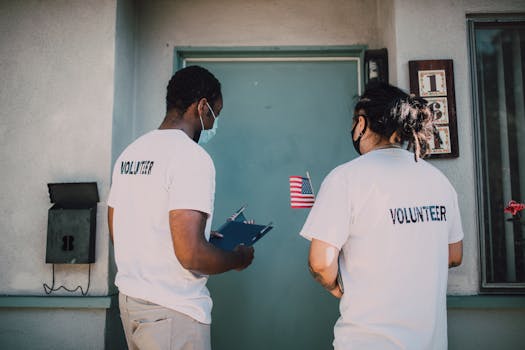
Two volunteers wear masks and visit community homes, engaging in outreach activities. Photo: RDNE Stock project / Pexels
Choosing the appropriate California nonprofit board training program is a pivotal decision that can significantly impact your organization's effectiveness and compliance. The market offers a variety of options, from online modules to in-person workshops and custom consulting, each with its own advantages and considerations. The first step involves a thorough assessment of your board's current knowledge gaps and specific needs. Are you onboarding new members who require a comprehensive introduction to nonprofit governance and California law? Or are you looking to provide advanced training to seasoned directors on complex topics like legislative advocacy, impact measurement, or major gift fundraising? A needs assessment, perhaps through a survey or self-evaluation, can help pinpoint the areas where training will yield the greatest benefit. When evaluating providers, prioritize those with demonstrated expertise in California nonprofit law and governance. Generic national training programs may cover broad principles but often lack the critical nuances of California's Corporations Code, Attorney General regulations, and specific state compliance requirements. Look for trainers who are attorneys specializing in nonprofit law, experienced nonprofit executives, or consultants with a proven track record of working with California-based organizations. Their ability to translate complex legal jargon into actionable insights is invaluable. Furthermore, consider the format and delivery method. Online courses offer flexibility and can be cost-effective, allowing board members to learn at their own pace. In-person workshops, however, foster greater interaction, networking, and the ability to delve into case studies specific to your organization or the broader California context. Customized training, delivered on-site or virtually, can be tailored precisely to your board's unique challenges and goals, offering the most direct and impactful learning experience. Another crucial factor is the curriculum's breadth and depth. A robust California nonprofit board training program should cover core governance principles (fiduciary duties, board roles and responsibilities), financial literacy and oversight, strategic planning, risk management, ethical considerations (conflict of interest, whistleblower policies), and fundraising ethics and best practices. Critically, it must also include specific modules on California state regulations, such as annual reporting to the Attorney General, charitable solicitation laws, and proper record-keeping as per California law. Consider if the program offers resources for ongoing learning, such as templates for board policies, access to legal updates, or opportunities for peer networking. A program that includes practical exercises, case studies relevant to California nonprofits, and Q&A sessions will enhance engagement and retention of information. Finally, consider the cost versus value proposition. While some free or low-cost resources exist, investing in high-quality, specialized training is often a wise long-term decision. Compare proposals from different providers, looking beyond the sticker price to consider the expertise of the trainers, the comprehensiveness of the curriculum, and the potential impact on your board's effectiveness and organizational compliance. Request testimonials or references from other California nonprofits that have utilized their services. A well-trained board is a strategic asset, reducing legal risks, improving financial stewardship, and ultimately strengthening your nonprofit's ability to achieve its mission. By meticulously selecting the right California nonprofit board training program, you are making a profound commitment to the future success and integrity of your organization in the Golden State, ensuring that your nonprofit board members are equipped to lead with confidence and competence.

Common Pitfalls and Best Practices in California Nonprofit Board Governance

Group of volunteers smiling while sorting donation boxes indoors for a charity organization. Photo: Gustavo Fring / Pexels
Even with the best intentions, California nonprofit boards can fall prey to common pitfalls that undermine their effectiveness and expose the organization to risk. One prevalent mistake is a lack of clear role definition. Board members sometimes blur the lines between governance and management, attempting to micromanage staff or engage in day-to-day operations. This not only disempowers staff but distracts the board from its strategic oversight responsibilities. Best practice dictates a clear delineation: the board sets the strategic direction and policy, while staff executes those policies and manages operations. Another pitfall is insufficient board engagement, often stemming from infrequent meetings, poorly structured agendas, or a lack of meaningful participation. Boards that meet only to rubber-stamp decisions miss opportunities for robust discussion, critical thinking, and collective wisdom. To counter this, best practices include developing engaging agendas, providing materials well in advance, and fostering a culture where all voices are heard and respected. Financial oversight is an area where pitfalls can have severe consequences. Boards sometimes fail to adequately review financial statements, understand audit reports, or question budget variances. This can lead to financial mismanagement, fraud, or a lack of sustainability. A best practice is to have a dedicated finance committee, ideally with members possessing financial expertise, who can delve deeper into the numbers and report key findings to the full board. Regular training on financial literacy for all board members is crucial. Furthermore, neglecting to review and update key organizational policies, such as conflict of interest policies, whistleblower protections, and record retention schedules, can leave a nonprofit vulnerable. California law places specific emphasis on these areas, and outdated or non-existent policies are a significant compliance risk. Best practice involves annual review of these policies, ensuring they are current, clearly communicated, and consistently enforced. Lack of diversity on the board is another common oversight, particularly in a diverse state like California. Boards that lack diversity in terms of demographics, professional backgrounds, and lived experiences may struggle to understand and serve their target communities effectively, leading to blind spots in strategic planning and decision-making. Best practice emphasizes intentional recruitment strategies to build a board that reflects the community served and brings a wide array of perspectives to the table. Moreover, inadequate succession planning for board leadership (Chair, Treasurer, Secretary) and the Executive Director can create instability during transitions. A proactive approach to leadership development and succession ensures continuity and smooth transitions. This includes identifying potential future leaders, mentoring them, and establishing clear processes for leadership changes. Finally, a significant pitfall is failing to prioritize ongoing board education and development. The nonprofit landscape, legal environment, and best practices are constantly evolving. Boards that rely solely on initial orientation will quickly become outdated. Best practice involves budgeting for and implementing continuous training, whether through webinars, conferences, or dedicated workshops on emerging issues relevant to California nonprofits. This commitment to lifelong learning ensures that the board remains agile, informed, and capable of guiding the organization through current and future challenges. By proactively addressing these common pitfalls and embracing these best practices, California nonprofit boards can significantly enhance their effectiveness, strengthen their organizations, and ultimately amplify their positive impact on the communities they serve.

Comparison

FeatureCustom On-Site TrainingOnline Course PlatformPublic Workshops/Conferences
Tailored ContentHighly CustomizableStandardized ModulesGeneral Topics
California SpecificityExpert-led, CA-focusedVaries by providerMay or may not be CA-specific
Board EngagementHigh, InteractiveSelf-paced, less interactiveModerate, networking opportunities
CostHigher upfrontLower per-personVariable, travel may add cost
FlexibilityScheduled for your boardAnytime, anywhereFixed dates/locations
NetworkingInternal team buildingLimitedHigh with other nonprofits
Legal Compliance Focus✓ (if CA-specific)✗ (often too broad)
Risk Mitigation✓ (if comprehensive)✗ (less direct application)

What Readers Say

"Our board underwent the California nonprofit board training and it was transformative. The trainers had deep knowledge of state-specific regulations, which was exactly what we needed to ensure our compliance. We now feel much more confident in our governance practices."

Sarah Chen · Los Angeles, CA

"As a new board member, I was overwhelmed. This training broke down complex topics like fiduciary duties and financial oversight into understandable modules. It's truly essential for anyone serving on a California nonprofit board."

David Rodriguez · San Francisco, CA

"The customized California nonprofit board training we received resulted in a significant improvement in our board meeting efficiency and strategic discussions. Our last audit was the smoothest ever, directly attributable to the enhanced understanding of our financial responsibilities."

Maria Lopez · San Diego, CA

"The training was very thorough, although some parts felt a bit dense for our less experienced board members. However, the Q&A sessions were incredibly helpful, and we appreciated the focus on California-specific legal requirements."

Michael Brown · Sacramento, CA

"Our foundation opted for this California nonprofit board training to bring all our new and existing trustees up to speed. The content on ethical governance and conflict of interest policies was particularly relevant and has strengthened our internal protocols immensely."

Jessica Lee · Oakland, CA

Frequently Asked Questions

What are the essential topics covered in California nonprofit board training?

Essential topics typically include fiduciary duties (care, loyalty, obedience), California-specific legal and regulatory compliance (e.g., Attorney General reporting, Corporations Code), financial oversight and literacy, strategic planning, risk management, fundraising ethics, and board roles and responsibilities. The best training programs tailor content to the unique challenges and opportunities within California's nonprofit sector.

Is California nonprofit board training legally required?

While there isn't a specific state law mandating 'training' per se, board members have significant legal and ethical responsibilities under California law. Proper training is crucial to ensure compliance with these duties and mitigate personal liability risks. Failing to understand and fulfill these responsibilities can lead to severe penalties for both the individual directors and the organization.

How often should a California nonprofit board undergo training?

It is best practice for California nonprofit boards to undergo some form of training annually, or at least every two years, especially for new board member onboarding. Continuous education is vital to stay current with evolving legal requirements, best practices in governance, and strategic challenges in the nonprofit sector. Refresher courses and specialized workshops are highly recommended.

What is the typical cost of California nonprofit board training?

The cost of California nonprofit board training varies widely based on the format, provider, and customization. Online courses can range from a few hundred to a couple of thousand dollars per board. In-person workshops or customized consulting engagements, often more comprehensive, can range from $3,000 to $15,000 or more, depending on duration and trainer expertise. Investing in quality training is an investment in the organization's long-term health.

How does California nonprofit board training differ from general nonprofit board training?

California nonprofit board training specifically integrates the unique legal and regulatory landscape of the state. While general training covers universal governance principles, CA-specific training delves into the California Corporations Code, requirements of the Attorney General's Registry of Charitable Trusts, state charitable solicitation laws, and other state-specific compliance nuances that are critical for organizations operating in California.

Who should participate in California nonprofit board training?

Ideally, all current and incoming board members should participate in California nonprofit board training. Key staff members, especially the Executive Director and senior leadership responsible for governance or compliance, can also benefit significantly from understanding the board's roles and responsibilities, fostering better collaboration and shared understanding of organizational oversight.

What are the risks of not providing adequate California nonprofit board training?

The risks of inadequate California nonprofit board training include non-compliance with state and federal laws, potential legal liabilities for individual board members, financial mismanagement, damage to the organization's reputation and public trust, loss of tax-exempt status, and an inability to effectively achieve the organization's mission due to poor strategic direction or oversight. It can also lead to disengaged and ineffective board members.

What are the future trends in California nonprofit board training?

Future trends in California nonprofit board training include increased focus on diversity, equity, and inclusion (DEI) governance, advanced cybersecurity and data privacy for nonprofits, impact measurement and evaluation, sustainable fundraising in a digital age, and navigating complex legislative advocacy. There will also be a continued emphasis on adaptive leadership and resilience planning in response to unpredictable global and local challenges.

Elevate your California nonprofit's governance and ensure its sustained success. Invest in comprehensive California nonprofit board training today to empower your board with the knowledge and tools needed to navigate the state's unique regulatory environment and fulfill your mission with confidence.

Topics: california nonprofit board trainingnonprofit governance CAboard development californianonprofit compliance californiafiduciary duties nonprofit
Leo List
Brampton weed
Adultwork