✓ California's employment laws are among the strictest in the U.S., applying to nonprofits.
✓ Nonprofits are generally not exempt from wage and hour laws, even for volunteers.
✓ Proper classification of employees vs. independent contractors is crucial to avoid penalties.
✓ Regular training and updated policies are vital for ongoing compliance in a changing legal landscape.
How It Works
1
Understand Your Obligations
Familiarize yourself with key state and federal employment laws applicable to your nonprofit. This includes wage and hour, discrimination, and leave laws.
2
Develop Robust Policies
Create and implement comprehensive HR policies and employee handbooks. These should clearly communicate expectations and legal rights to your team.
3
Ensure Proper Classification
Rigorously review all workers to correctly classify them as employees, independent contractors, or volunteers. Misclassification can lead to significant penalties.
4
Stay Updated and Train Staff
Regularly monitor changes in California employment law and provide ongoing training for managers and staff. This proactive approach helps maintain compliance and a healthy work environment.
The Unique Landscape of California Nonprofit Employment Law
Photo: RDNE Stock project / Pexels
Operating a nonprofit in California comes with unique rewards and challenges, particularly concerning employment law. While your mission may be driven by social good, the state views your organization as an employer, subject to the same stringent regulations as for-profit businesses, and sometimes even more specific rules. California's employment laws are renowned for being among the most protective of employees in the United States, covering everything from minimum wage and overtime to workplace safety, anti-discrimination, and various protected leaves. Nonprofits, regardless of their size or tax-exempt status, must navigate this complex legal framework to avoid costly penalties, lawsuits, and reputational damage that could jeopardize their vital work. Many nonprofit leaders mistakenly believe that their charitable status grants them exemptions from certain labor laws, especially concerning volunteers or part-time staff. This is a dangerous misconception. The reality is that almost all standard employment laws, including those governing wages, hours, breaks, and workplace conditions, apply fully to California nonprofits.
Understanding the nuances of these laws is not just about compliance; it's about fostering a fair, equitable, and stable work environment that supports your mission. Nonprofits often rely on dedicated staff who are passionate about their cause, and protecting their rights and well-being is paramount. This section will delve into the foundational aspects of California nonprofit employment law, highlighting key areas where nonprofits often face compliance hurdles. We'll explore the critical distinction between employees, independent contractors, and volunteers, as misclassification is a leading cause of legal trouble for organizations. Furthermore, we'll touch upon the importance of having robust HR policies and practices in place from the outset, rather than reacting to issues as they arise. Proactive compliance is the cornerstone of sustainable nonprofit operations in California. The sheer volume and frequent updates to California's labor code mean that what was compliant last year might not be this year. Therefore, a commitment to continuous learning and adaptation is essential for any nonprofit leader or HR professional. This guide aims to demystify these complexities, providing a clear roadmap for your organization to operate legally and ethically, allowing you to focus on your core mission without the constant worry of legal repercussions.
Wage, Hour, and Leave Laws: Core Compliance for CA Nonprofits
One of the most significant areas of compliance for California nonprofits revolves around wage and hour laws. These regulations dictate how employees must be paid, including minimum wage, overtime, meal and rest breaks, and timely payment of wages. California's minimum wage is generally higher than the federal minimum and increases annually, often with additional local minimum wage ordinances in various cities and counties. Nonprofits must ensure they are paying at least the highest applicable minimum wage. Overtime rules are also strict: non-exempt employees must be paid 1.5 times their regular rate for hours worked over 8 in a workday, over 40 in a workweek, and for the first 8 hours on the seventh consecutive day of work. Double-time is required for hours over 12 in a workday and over 8 on the seventh consecutive day. Properly tracking hours worked, including start and end times for shifts and breaks, is not just good practice but a legal requirement.
Meal and rest breaks are another common area of non-compliance. Generally, non-exempt employees are entitled to a paid 10-minute rest break for every four hours worked (or major fraction thereof) and an unpaid 30-minute meal break for shifts over five hours. There are strict rules about when these breaks must be provided and how they must be documented. Failure to provide proper breaks can result in significant penalties, including an hour of pay for each missed break. Furthermore, California has a multitude of protected leave laws, which can be complex to manage. These include the California Family Rights Act (CFRA), the Healthy Workplaces, Healthy Families Act of 2014 (Paid Sick Leave), Kin Care leave, Victims of Crime leave, School Activities leave, and various jury duty and witness leaves, among others. Many of these leaves run concurrently with federal FMLA, but some offer additional protections. Nonprofits must understand eligibility requirements, notice provisions, and how to properly administer these leaves without retaliating against employees. The interaction between state and federal leave laws, as well as local ordinances, can be particularly challenging. Maintaining accurate records for all aspects of wage, hour, and leave compliance is absolutely critical. This includes timecards, payroll records, and documentation related to leave requests and approvals. Audits by state agencies like the Labor Commissioner's Office are not uncommon, and robust record-keeping is your primary defense against claims of non-compliance.
Protecting Your People: Discrimination, Harassment, and Workplace Safety
Beyond wage and hour compliance, California nonprofit employment law places a strong emphasis on creating a safe and equitable workplace free from discrimination and harassment. The California Fair Employment and Housing Act (FEHA) is one of the broadest anti-discrimination laws in the nation, protecting employees from discrimination based on a wide range of protected characteristics, including race, religion, color, national origin, ancestry, physical or mental disability, medical condition, genetic information, marital status, sex (including pregnancy, childbirth, breastfeeding, or related medical conditions), gender, gender identity, gender expression, age (40 and above), sexual orientation, and military and veteran status. FEHA also prohibits harassment based on these characteristics. Nonprofits must implement clear anti-discrimination and anti-harassment policies, provide mandatory sexual harassment prevention training to all employees (supervisory and non-supervisory), and establish effective complaint procedures. Failure to address complaints promptly and thoroughly can expose the organization to significant liability.
Workplace safety is another non-negotiable aspect of California employment law, governed primarily by the California Occupational Safety and Health Act (Cal/OSHA). Nonprofits, like all employers, have a legal obligation to provide a safe and healthful workplace for their employees. This includes identifying and correcting hazards, providing necessary safety equipment, and establishing an Injury and Illness Prevention Program (IIPP). The IIPP is a written program that outlines procedures for identifying and evaluating hazards, investigating occupational injuries and illnesses, and communicating with employees about safety matters. Depending on the nature of your nonprofit's work, specific safety regulations may apply, such as those related to lifting, exposure to certain materials, or working with vulnerable populations. Regular safety training and maintaining accurate records of safety incidents and training are crucial.
Furthermore, the reasonable accommodation of employees with disabilities and religious beliefs is a key component of FEHA compliance. Nonprofits must engage in an interactive process with employees requesting accommodation to determine if a reasonable adjustment can be made that allows the employee to perform their essential job functions without undue hardship to the organization. This requires careful consideration and often consultation with legal counsel. Proactive measures, such as reviewing job descriptions for essential functions and ensuring facilities are accessible, can help mitigate risks and foster an inclusive environment. A culture of respect, open communication, and adherence to these protective laws not only ensures compliance but also enhances employee morale and retention, which is especially important for mission-driven organizations.
Essential Tips for CA Nonprofit Employment Law Compliance
Navigating California's complex employment laws requires a proactive and systematic approach. Here are essential tips for nonprofits to maintain compliance and protect their mission:
* **Conduct Regular HR Audits:** Periodically review your HR practices, policies, and documentation to ensure alignment with current state and federal laws. This includes employee classifications, payroll practices, leave administration, and personnel files. An external audit can provide an unbiased assessment.
* **Invest in Training:** Provide mandatory and ongoing training for all staff, especially managers and supervisors, on topics such as anti-harassment, anti-discrimination, wage and hour rules, and protected leaves. This helps prevent violations and ensures a consistent understanding of policies.
* **Maintain Comprehensive Documentation:** Keep meticulous records of everything: job descriptions, offer letters, employment agreements, timecards, payroll, performance reviews, disciplinary actions, leave requests, accommodation discussions, and training attendance. Proper documentation is your best defense in case of a dispute or audit.
* **Stay Updated on Legal Changes:** California's employment laws change frequently. Subscribe to legal alerts, attend webinars, and consult with legal counsel specializing in California employment law for nonprofits. Ignorance of the law is not a defense.
* **Develop a Robust Employee Handbook:** A well-crafted, regularly updated employee handbook is an indispensable tool. It should clearly outline your organization's policies, employee rights, and complaint procedures, serving as a primary reference for both employees and management.
* **Consult Legal Counsel:** Don't hesitate to seek advice from an attorney specializing in California employment law for nonprofits. Proactive legal consultation can prevent costly mistakes and ensure your organization is operating within the bounds of the law, especially when facing complex situations or making significant HR decisions. This is particularly important for unique situations, such as navigating the complexities of volunteers who might sometimes perform duties that blur the lines with employee roles, or understanding specific exemptions that might apply to certain types of nonprofit organizations, although these are rare.
Comparison
Compliance Area
Nonprofit Best Practice
Common Pitfall 1
Common Pitfall 2
Wage & Hour
Automated timekeeping, regular audits
Manual tracking, assuming volunteer exemptions
Ignoring local minimum wage laws
Employee Classification
Clear policies & legal review (AB5)
Misclassifying contractors/volunteers
No written agreements for contractors
Leave Laws
Centralized leave tracking, manager training
Inconsistent application, lack of documentation
Ignoring state-specific leave requirements
Harassment/Discrimination
Mandatory, frequent training, clear reporting
Outdated policies, inadequate investigation
Lack of management accountability
Workplace Safety
Active IIPP, regular safety drills
No IIPP, infrequent hazard assessments
Ignoring Cal/OSHA posting requirements
What Readers Say
★★★★★
"This guide clarified so many grey areas regarding California nonprofit employment law for our small arts organization. We immediately updated our employee handbook and feel much more secure."
Sarah Chen · Los Angeles, CA
★★★★★
"As a new executive director, the information on wage and hour compliance was invaluable. It helped us streamline our payroll processes and avoid potential fines. Highly recommend this resource!"
David Ramirez · San Francisco, CA
★★★★★
"After reading this, we realized we were making several mistakes in employee classification. Correcting these issues saved us from a potential misclassification lawsuit, directly protecting our budget for programs."
Maria Lopez · San Jose, CA
★★★★★
"Very comprehensive overview. While some details still required legal consultation, this article provided an excellent foundation and highlighted the key areas we needed to focus on for our environmental nonprofit."
Mark Johnson · Sacramento, CA
★★★★★
"The section on discrimination and harassment prevention was particularly helpful. It prompted us to refresh our training and ensure our reporting mechanisms were truly effective, creating a better environment for our team."
Emily White · San Diego, CA
Frequently Asked Questions
What are the most common employment law violations for California nonprofits?
The most common violations include misclassifying employees as independent contractors or volunteers, failing to provide proper meal and rest breaks, incorrect calculation of overtime pay, and not adhering to California's strict paid sick leave requirements. Lack of up-to-date anti-harassment policies and training also leads to frequent issues.
Are nonprofits in California exempt from minimum wage laws?
No, generally, nonprofits in California are not exempt from state or local minimum wage laws. All employees, regardless of the organization's tax-exempt status, must be paid at least the highest applicable minimum wage. This includes part-time and seasonal employees.
How can a nonprofit properly classify workers in California?
Proper classification involves a multi-factor test, with the 'ABC test' being the primary standard for independent contractors under AB 5. For volunteers, they generally cannot displace paid employees, expect compensation, or perform duties that would typically be done by paid staff. It's crucial to consult legal counsel to ensure correct classification.
What is the cost of non-compliance with California employment laws?
The cost of non-compliance can be substantial, including back wages, overtime, liquidated damages, penalties for missed breaks, attorney fees, and potential civil penalties from state agencies. Lawsuits can lead to significant financial liabilities and severe reputational damage, diverting resources from your mission.
How do California's employment laws compare to federal laws for nonprofits?
California's employment laws are generally more protective of employees and often exceed federal requirements. Where state and federal laws differ, California nonprofits must follow the law that provides the greater protection to the employee. This 'more protective' standard applies across wage, hour, and anti-discrimination laws.
Who within a California nonprofit is responsible for employment law compliance?
Ultimately, the board of directors and executive leadership bear the primary responsibility for ensuring compliance. Day-to-day management often falls to HR professionals, operations managers, and supervisors, who must be adequately trained and empowered to implement compliant practices.
What steps can a small nonprofit take to mitigate employment law risks?
Small nonprofits should prioritize creating clear job descriptions, having a basic employee handbook, consistently applying policies, using reliable payroll software, and seeking legal advice for complex situations. Even with limited resources, proactive planning and attention to detail can significantly reduce risks.
Are there any upcoming changes to California nonprofit employment law that we should anticipate?
California's legislative landscape is constantly evolving. Nonprofits should anticipate potential changes related to expanded paid leave benefits, increased minimum wage, new protections for specific worker groups, and evolving workplace safety standards. Staying subscribed to legal updates is key to anticipating and adapting to these changes.
Don't let the complexities of California nonprofit employment law hinder your organization's vital mission. By understanding and proactively implementing compliant practices, you can protect your team, safeguard your resources, and strengthen your impact. Take the next step towards full compliance today.

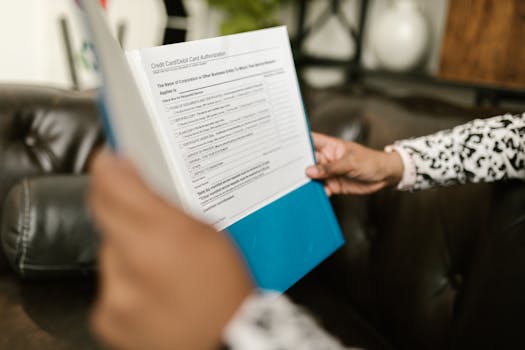 Photo: RDNE Stock project / Pexels