Navigating California Nonprofit Legal Services with Confidence

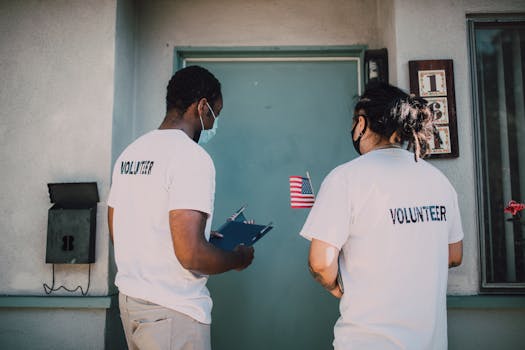
Two volunteers wear masks and visit community homes, engaging in outreach activities.Photo: RDNE Stock project / Pexels

Navigating California Nonprofit Legal Services with Confidence

Empower your mission with comprehensive legal support, ensuring compliance and maximizing impact for your California nonprofit.

Find Legal Support Today

Key Takeaways

  • ✓ California hosts over 130,000 active nonprofits, each requiring specific legal compliance.
  • ✓ Nonprofit legal structures (e.g., 501(c)(3)) dictate operational rules and tax exemptions.
  • ✓ Governance, fundraising, and employment are common areas requiring specialized legal guidance.
  • ✓ Proactive legal review can prevent costly penalties and protect an organization's mission.

How It Works

1
Assess Your Legal Needs

Identify the specific legal challenges or requirements your nonprofit faces, such as formation, compliance, or contract review. This initial assessment helps in understanding the scope of required legal services.

2
Connect with Specialized Counsel

Seek out attorneys or law firms with extensive experience in California nonprofit law. Their expertise ensures you receive advice tailored to the unique regulatory environment of the state.

3
Develop a Strategic Legal Plan

Work with your legal team to create a proactive plan addressing current needs and anticipating future challenges. This might include compliance audits, policy development, or dispute resolution strategies.

4
Implement and Maintain Compliance

Execute the legal strategies and regularly review your operations to ensure ongoing compliance with state and federal regulations. Continuous vigilance is key to a healthy and legally sound nonprofit.

Understanding the Landscape of California Nonprofit Legal Services

A formal handshake over a business contract in a corporate office setting.Photo: Pavel Danilyuk / Pexels
California is a national leader in the nonprofit sector, home to a vast and diverse array of charitable organizations, foundations, and advocacy groups. This vibrant ecosystem, while incredibly impactful, operates within a complex web of state and federal regulations. For any nonprofit operating within the Golden State, understanding and adhering to these legal frameworks is not merely a recommendation, but a fundamental necessity for its existence, credibility, and mission fulfillment. California nonprofit legal services are designed to help these organizations navigate this intricate landscape, ensuring they remain compliant, effective, and sustainable. From the moment of conception, a nonprofit in California faces a series of critical legal decisions. Choosing the correct legal entity, such as a public benefit corporation or a mutual benefit corporation, is paramount, as it dictates the organization's purpose, governance structure, and tax implications. The process of incorporation with the California Secretary of State is just the first step. Following this, organizations must secure tax-exempt status from both the IRS (typically 501(c)(3) for public charities) and the California Franchise Tax Board. Each application requires meticulous attention to detail, drafting of appropriate bylaws, articles of incorporation, and policies that align with the organization's mission and regulatory requirements. Errors or omissions at this stage can lead to significant delays, rejection of applications, or even future legal complications. Beyond formation, California nonprofits encounter ongoing legal challenges related to governance, fundraising, employment, intellectual property, and contracts. Governance issues often revolve around board responsibilities, conflicts of interest, and fiduciary duties. Nonprofits must maintain robust internal policies, including whistleblower policies, document retention policies, and gift acceptance policies, all of which must comply with California's stringent laws. Fundraising, a lifeblood for most nonprofits, is also heavily regulated. Organizations must understand rules around charitable solicitations, donor privacy, and the appropriate use of restricted funds. Missteps in fundraising can lead to investigations by the California Attorney General's office and severe reputational damage. Employment law is another critical area where California nonprofits often require specialized legal guidance. California's labor laws are among the most protective in the nation, covering everything from wage and hour compliance, independent contractor classifications, discrimination, harassment, and employee benefits. Nonprofits, regardless of size, must ensure their employment practices, policies, and contracts are fully compliant to avoid costly litigation and penalties. Furthermore, as nonprofits increasingly engage in digital activities, issues related to data privacy (e.g., CCPA/CPRA compliance), cybersecurity, and intellectual property protection (trademarks, copyrights) have become increasingly relevant. Expert California nonprofit legal services provide invaluable support in these areas, acting as a shield against potential legal pitfalls and a compass guiding organizations toward their charitable goals.

Key Areas Where California Nonprofits Need Legal Expertise

A multicultural team brainstorming and collaborating during a business meeting.Photo: Christina Morillo / Pexels
The operational complexities of a California nonprofit extend far beyond its initial formation, necessitating continuous engagement with specialized legal expertise across various critical domains. One of the most frequently encountered areas requiring legal counsel is **governance and compliance**. This encompasses everything from drafting and amending bylaws, developing robust conflict of interest policies, ensuring proper board meeting procedures, and understanding the fiduciary duties of board members. California's Corporations Code has specific requirements for nonprofit corporations, and deviations can lead to significant issues, including personal liability for directors. Legal professionals help nonprofits establish strong governance structures that not only comply with the law but also promote transparency and accountability, crucial for maintaining public trust and donor confidence. Another paramount area is **fundraising and charitable solicitations**. California has strict laws governing how nonprofits solicit donations, including registration requirements with the Attorney General's Registry of Charitable Trusts. Nonprofits must accurately represent their mission and use of funds, avoiding deceptive practices. Legal counsel can guide organizations through these registration processes, review fundraising materials for compliance, and advise on specific types of fundraising activities, such as raffles, auctions, or corporate sponsorships, each with its own set of rules. They also provide guidance on donor agreements, restricted gifts, and endowments, ensuring that donor intent is honored and legal obligations are met. **Employment and volunteer management** represent a significant legal minefield for California nonprofits. As employers, nonprofits are subject to the same rigorous state and federal labor laws as for-profit businesses. This includes compliance with minimum wage laws, overtime regulations, meal and rest breaks, anti-discrimination statutes (FEHA), and leave laws (CFRA, FMLA). Distinguishing between employees and independent contractors is particularly challenging in California and can lead to severe penalties if misclassified. Legal services help nonprofits draft compliant employee handbooks, employment contracts, volunteer agreements, and provide training on sensitive issues like harassment prevention. For organizations heavily reliant on volunteers, legal advice on volunteer liability waivers and appropriate supervision is also essential. Furthermore, **contract review and negotiation** are integral to a nonprofit's operations. Whether it's agreements with vendors, grant contracts with funders, partnership agreements with other organizations, or facility leases, careful legal review is critical. Attorneys specializing in nonprofit law can identify potential risks, ensure favorable terms, and protect the organization's interests. They can also assist with intellectual property matters, such as trademarking a nonprofit's name or logo, or copyrighting educational materials. Finally, navigating **public policy and advocacy** requires a deep understanding of lobbying rules, permissible political activities for 501(c)(3) organizations, and election law. Legal counsel helps nonprofits engage in advocacy effectively without jeopardizing their tax-exempt status, ensuring their voices are heard within legal boundaries.

Navigating Compliance and Avoiding Pitfalls with California Nonprofit Legal Services

Focused volunteer in gloves sorting donation supplies in a community center.Photo: Gustavo Fring / Pexels
Compliance is the bedrock of a healthy and sustainable nonprofit organization in California. The state's regulatory environment is dynamic and often more stringent than federal requirements, making proactive legal guidance indispensable. One of the most critical aspects of ongoing compliance involves **annual reporting requirements**. California nonprofits must file various reports with the California Attorney General's Registry of Charitable Trusts, the Franchise Tax Board, and the IRS (e.g., Form 990). These reports demand accurate financial disclosures, governance information, and operational details. Failure to file on time or providing incomplete/inaccurate information can lead to penalties, loss of tax-exempt status, and public scrutiny. Legal experts specializing in California nonprofit legal services can assist in preparing these filings or reviewing them to ensure accuracy and compliance, mitigating the risk of regulatory action. Another common area of concern for nonprofits is **unrelated business income tax (UBIT)**. While nonprofits are generally exempt from income tax, income generated from activities unrelated to their exempt purpose can be taxable. Determining what constitutes unrelated business income can be complex, especially as nonprofits explore diverse revenue streams to support their missions. Legal counsel can help organizations analyze their activities, structure them to minimize UBIT exposure, and ensure proper reporting to the IRS and FTB. This strategic planning can prevent unexpected tax liabilities that could divert resources from the organization's charitable work. **Managing potential conflicts of interest** is another crucial compliance area. California law has specific provisions regarding transactions between a nonprofit and its directors, officers, or substantial contributors. Nonprofits must have clear policies and procedures for identifying, disclosing, and managing potential conflicts to ensure that decisions are made in the best interest of the organization, not for private gain. Legal advisors assist in developing these policies, training board members, and reviewing transactions to ensure they meet legal standards of fairness and transparency. This proactive approach safeguards the organization's integrity and protects its leaders from allegations of self-dealing. Furthermore, **data privacy and cybersecurity** have emerged as significant compliance challenges. With the implementation of the California Consumer Privacy Act (CCPA) and its successor, the California Privacy Rights Act (CPRA), nonprofits that collect, process, or store personal information of California residents may be subject to these stringent privacy laws. Understanding whether these laws apply, and if so, how to implement compliant data handling practices, privacy policies, and data breach response plans is critical. Legal counsel can help assess privacy risks, develop compliant policies, and navigate the complex requirements of these evolving regulations. Neglecting data privacy can lead to significant fines, reputational damage, and loss of donor trust. Finally, ensuring **adherence to specific programmatic regulations** is vital. Depending on a nonprofit's mission, it may be subject to additional laws. For example, health-related nonprofits might need to comply with HIPAA, environmental organizations with specific environmental regulations, and child-serving organizations with child protection laws. Expert legal services ensure that all facets of a nonprofit's operations, from its governance to its most specific programs, are fully compliant with the multifaceted legal demands of California. This comprehensive approach to compliance protects the organization's assets, reputation, and most importantly, its ability to effectively serve its community. Nonprofit organizations that invest in robust legal support are better positioned to weather challenges and achieve long-term success.

Essential Tips and Common Mistakes for California Nonprofits

Navigating the legal landscape for California nonprofits requires diligence and a proactive approach. Here are essential tips to ensure your organization thrives legally, along with common pitfalls to avoid: **Essential Tips for California Nonprofits:** * **Prioritize Proactive Legal Audits:** Regularly review your organization's legal documents, policies, and practices. An annual legal audit can identify potential compliance gaps before they become costly problems. This includes reviewing bylaws, minutes, contracts, and fundraising disclosures. * **Invest in Board Training:** Ensure your board members fully understand their fiduciary duties, responsibilities, and California-specific legal obligations. Education on conflict of interest policies and proper governance procedures is paramount. * **Maintain Meticulous Records:** Keep organized and complete records of all corporate filings, board minutes, financial transactions, donor communications, and employment records. Accurate record-keeping is crucial for audits, reporting, and demonstrating compliance. * **Understand Fundraising Regulations:** Familiarize yourself with the California Attorney General's Registry of Charitable Trusts requirements, including annual renewals and financial reporting. Be transparent in all solicitations and accurately represent how funds will be used. * **Stay Updated on Employment Law:** California's labor laws are constantly evolving. Partner with legal counsel to ensure your employee handbooks, policies, and practices (e.g., wage and hour, leave laws, independent contractor classification) are current and compliant. * **Develop Strong Internal Controls:** Implement financial controls, whistleblower policies, and clear decision-making processes to prevent fraud, mismanagement, and ensure accountability. **Common Mistakes to Avoid:** * **Neglecting Annual Filings:** Failing to file required annual reports with the California Secretary of State, Attorney General, Franchise Tax Board, and IRS can lead to penalties, suspension of corporate status, or even revocation of tax-exempt status. * **Ignoring Conflicts of Interest:** Allowing board members or officers to engage in transactions that benefit them personally without proper disclosure and review can lead to legal challenges, reputational damage, and even personal liability. * **Misclassifying Employees as Independent Contractors:** California has very strict rules regarding independent contractor classification. Misclassification can result in significant back pay, penalties, and tax liabilities. * **Inadequate Documentation:** Operating without clear bylaws, comprehensive employment agreements, or written contracts with vendors and partners leaves the nonprofit vulnerable to disputes and legal challenges. * **Lack of Data Privacy Compliance:** Overlooking CCPA/CPRA requirements if applicable, or failing to protect sensitive donor and beneficiary data, can lead to costly fines and a loss of public trust. * **Engaging in Unauthorized Lobbying/Political Activity:** 501(c)(3) organizations have strict limitations on lobbying and are generally prohibited from engaging in political campaign activities. Exceeding these limits can jeopardize tax-exempt status.

Comparison

FeatureSpecialized Nonprofit Law FirmGeneral Practice AttorneyPro Bono Program
Expertise in CA Nonprofit LawDeep and currentLimited to moderateVariable, often specialized
Breadth of ServicesFull spectrum (formation, compliance, litigation)Specific areas (e.g., contracts)Often limited to specific projects
Cost StructureHourly rates, project-basedHourly ratesFree or low-cost
Proactive Guidance✗ (typically reactive)
Long-Term Relationship Potential✗ (project-based)

What Our Readers Say

5 ★★★★★

"Our small arts nonprofit was overwhelmed by the state's compliance requirements. The California nonprofit legal services we received were invaluable, guiding us through annual filings and updating our bylaws, giving us immense peace of mind."

5 ★★★★★

"We needed help with a complex employment issue, and the legal team specialized in California nonprofit legal services provided clear, actionable advice. Their expertise saved us from potential litigation and helped us update our HR policies effectively."

5 ★★★★★

"Thanks to expert California nonprofit legal services, our fledgling environmental organization successfully secured our 501(c)(3) status within six months, a process we thought would take years. Their guidance was precise and incredibly efficient."

4 ★★★★☆

"While the services were excellent for our governance review, the cost was a significant investment for our budget. However, the comprehensive nature of the California nonprofit legal services means we are much better protected now."

5 ★★★★★

"Our foundation sought advice on complex grant agreements and international funding. The California nonprofit legal services team offered sophisticated solutions, ensuring our operations were compliant across multiple jurisdictions."

Frequently Asked Questions

What is the most crucial legal requirement for a new California nonprofit?
The most crucial legal requirement for a new California nonprofit is obtaining both federal 501(c)(3) tax-exempt status from the IRS and state tax-exempt status from the California Franchise Tax Board, after successfully incorporating with the California Secretary of State. This dual process ensures the organization is recognized as a tax-exempt entity at both levels, allowing it to receive tax-deductible donations and operate without paying income tax on its exempt activities.
Is it really necessary for a small nonprofit to hire specialized legal services?
Yes, even small nonprofits benefit significantly from specialized legal services. While it might seem like an added expense, proactive legal guidance can prevent costly mistakes, penalties, and reputational damage down the line. A small investment upfront can save substantial resources and stress by ensuring proper formation, compliance, and risk management from the start.
How do I find reputable California nonprofit legal services?
To find reputable California nonprofit legal services, look for law firms or attorneys with a dedicated practice area in nonprofit and tax-exempt organizations. Seek referrals from other nonprofits, check legal directories, and prioritize those with extensive experience specifically in California's complex regulatory environment. Review their track record and ensure they understand your specific mission and needs.
What is the typical cost associated with California nonprofit legal services?
The cost of California nonprofit legal services varies widely depending on the complexity of the issue, the firm's experience, and geographic location. Services can range from a few hundred dollars for a basic document review to several thousands for comprehensive formation, compliance audits, or litigation. Many firms offer initial consultations, and some organizations may qualify for pro bono assistance or reduced rates from specific programs.
How do California nonprofit legal services differ from general business legal services?
California nonprofit legal services differ from general business legal services primarily due to the unique regulatory framework governing tax-exempt organizations. Nonprofits operate under specific state and federal tax laws, governance requirements, fundraising regulations, and public benefit obligations that do not apply to for-profit entities. Specialized attorneys understand these nuances, ensuring compliance with both corporate and charitable trust laws.
Who should use California nonprofit legal services?
Anyone involved in forming, operating, or governing a nonprofit organization in California should use California nonprofit legal services. This includes founders, board members, executive directors, and key staff. Whether you're establishing a new charity, seeking guidance on complex compliance issues, or navigating a specific legal challenge, expert counsel is crucial for protecting your mission and ensuring long-term viability.
What are the risks of operating a nonprofit without proper legal counsel in California?
Operating a nonprofit without proper legal counsel in California carries significant risks, including loss of tax-exempt status, hefty fines and penalties, personal liability for board members, damage to reputation, and potential dissolution of the organization. Non-compliance can lead to investigations by the Attorney General, IRS, or FTB, diverting critical resources and undermining public trust in your mission.
How might future legal trends impact California nonprofit legal services?
Future legal trends impacting California nonprofit legal services are likely to include increased scrutiny on data privacy (e.g., evolving CCPA/CPRA), stricter regulations on charitable fundraising and transparency, and continued focus on diversity, equity, and inclusion in governance and employment. Nonprofits will need to adapt to these changes, making ongoing legal guidance even more vital to maintain compliance and ethical operations.

Don't let legal complexities hinder your mission. Partner with expert California nonprofit legal services to ensure your organization is compliant, protected, and poised for maximum impact. Contact a specialized attorney today to secure your nonprofit's future.

Topics: california nonprofit legal servicesnonprofit compliance CAnonprofit law Californiacharitable organization legal helpnonprofit formation California
Leo List
Brampton weed
Adultwork