
How to Incorporate a Nonprofit in California: Your Ultimate Guide
Transform your vision into a legally recognized, impactful nonprofit organization in California with this expert guide.
Start Your Nonprofit JourneyKey Takeaways
- ✓ Incorporating a nonprofit in California involves both state and federal steps.
- ✓ The Articles of Incorporation are the foundational legal document for state recognition.
- ✓ Obtaining 501(c)(3) status from the IRS is crucial for federal tax exemption.
- ✓ California requires annual filings and compliance with state charity regulations.
How It Works
Clearly define your organization's purpose, programs, and target beneficiaries. This foundational step guides all subsequent legal and operational decisions.
Submit your Articles of Incorporation to the California Secretary of State. This officially creates your corporate entity under state law.
Apply to the IRS for 501(c)(3) tax-exempt status using Form 1023. This is essential for federal tax benefits and donor deductibility.
Register with the California Franchise Tax Board for state income tax exemption. Also, register with the Attorney General for charitable solicitation.
Understanding the Foundation: What is a California Nonprofit?
 Photo: Julia M Cameron / Pexels
Navigating State Requirements: Filing Articles of Incorporation
 Photo: Kindel Media / Pexels
Securing Federal Tax Exemption: The 501(c)(3) Application
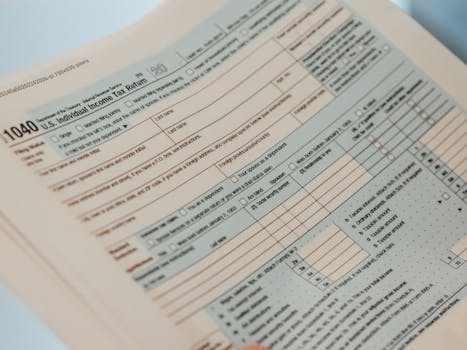 Photo: Kindel Media / Pexels
Essential Post-Incorporation Steps and Compliance in California
 Photo: Gustavo Fring / Pexels
Comparison
| Feature | CA Public Benefit Corp (501c3) | CA Mutual Benefit Corp | Unincorporated Association |
|---|---|---|---|
| Purpose | Charitable, public good | Member benefit (e.g., HOA) | Any lawful purpose |
| Tax Exemption (Federal) | ✓ (501c3) | ✗ (some 501c4/c6 possible) | ✗ |
| Tax Exemption (CA) | ✓ (FTB 3500) | ✗ | ✗ |
| Liability Protection | ✓ (Limited) | ✓ (Limited) | ✗ (Unlimited for members) |
| Formalities | High (Articles, Bylaws, IRS Form 1023) | Medium (Articles, Bylaws) | Low (Agreement) |
| Fundraising | Can solicit public donations | Primarily member dues | Limited, difficult |
| Board of Directors | Minimum 3 required | Minimum 1 required | Optional |
What Readers Say
"This guide was a lifesaver for understanding how to incorporate a nonprofit in California. The breakdown of state and federal steps made a daunting process feel manageable. We now have our 501(c)(3)!"
Maria Rodriguez · Los Angeles, CA"As a first-time founder, I was overwhelmed. This article clearly explained the sequence of filings and what documents I'd need for the California Secretary of State and the IRS. Highly recommend."
David Chen · San Francisco, CA"Thanks to this comprehensive resource, our environmental advocacy group successfully incorporated and secured our tax-exempt status in record time. The advice on bylaws and initial board meetings was particularly helpful."
Sarah Goldberg · San Diego, CA"The information on the 501(c)(3) application was very thorough, though I still ended up consulting an attorney for Form 1023. Still, this guide provided an excellent foundation and saved me a lot of initial research time."
Omar Khan · Sacramento, CA"We were struggling with the nuances of California's state-specific compliance. This article clarified the Attorney General registration and ongoing reporting, which is often overlooked but critical for our local charity."
Jessica Lee · Oakland, CAFrequently Asked Questions
What is the very first step to incorporate a nonprofit in California?
The very first step is to clearly define your nonprofit's mission, purpose, and activities. This foundational planning will inform all subsequent legal steps, including drafting your Articles of Incorporation and applying for tax-exempt status. It's crucial to ensure your mission aligns with charitable or public benefit purposes.
Do I need a lawyer to incorporate a nonprofit in California?
While it's not legally mandated, consulting with an attorney experienced in California nonprofit law is highly recommended. They can ensure your Articles of Incorporation and bylaws comply with state regulations and help navigate the complex IRS Form 1023 application, minimizing errors and delays.
How long does it take to get 501(c)(3) status in California?
The timeline for obtaining 501(c)(3) status from the IRS can vary significantly. After filing Form 1023, it typically takes 3-12 months for the IRS to process and issue a determination letter, though expedited processing may be available in some cases. State tax exemption and charitable trust registration usually follow federal approval.
What are the primary costs associated with incorporating a nonprofit in California?
Primary costs include filing fees for the California Secretary of State (Articles of Incorporation), the IRS (Form 1023), and the California Attorney General (initial registration). These fees can range from a few hundred to over a thousand dollars. Additional costs may include legal counsel, registered agent services, and professional assistance with financial projections.
What is the difference between a California nonprofit corporation and a federal 501(c)(3) organization?
A California nonprofit corporation is a legal entity recognized by the state. A federal 501(c)(3) organization is a tax-exempt status granted by the IRS. You must first incorporate as a nonprofit at the state level (e.g., California Public Benefit Corporation) before applying to the IRS for 501(c)(3) federal tax exemption. They are distinct but sequential steps.
Who should incorporate a nonprofit in California?
Individuals or groups who have a clear charitable, educational, religious, scientific, or literary mission and wish to operate for public benefit, rather than private profit, should consider incorporating a nonprofit in California. This structure allows for tax-deductible donations and provides liability protection for directors and officers.
What happens if I don't comply with annual filing requirements?
Failure to comply with annual filing requirements (e.g., Statement of Information with the SOS, Form 990 with the IRS, reports to the FTB and Attorney General) can lead to penalties, loss of good standing, suspension of corporate status, and ultimately, revocation of your tax-exempt status. This can severely hinder your nonprofit's operations and funding.
Are there any new regulations for California nonprofits I should be aware of?
California frequently updates its corporate and charity laws. It's crucial to stay informed through official sources like the California Secretary of State, Attorney General's Registry of Charitable Trusts, and Franchise Tax Board. Subscribing to their newsletters or consulting with a legal professional annually can help you keep abreast of any new regulations or compliance changes.
Incorporating a nonprofit in California is a significant undertaking, but with careful planning and adherence to these steps, your vision for public good can become a reality. Take the first step today to establish your impactful organization and begin making a tangible difference in your community.