Unlock Impact: Volunteer Opportunities California Nonprofit
June 19, 2026 15 min read 2,930 words
Connect with meaningful causes across the Golden State and transform lives through dedicated service.
Find Your Cause Now
The Transformative Power of Volunteering in California
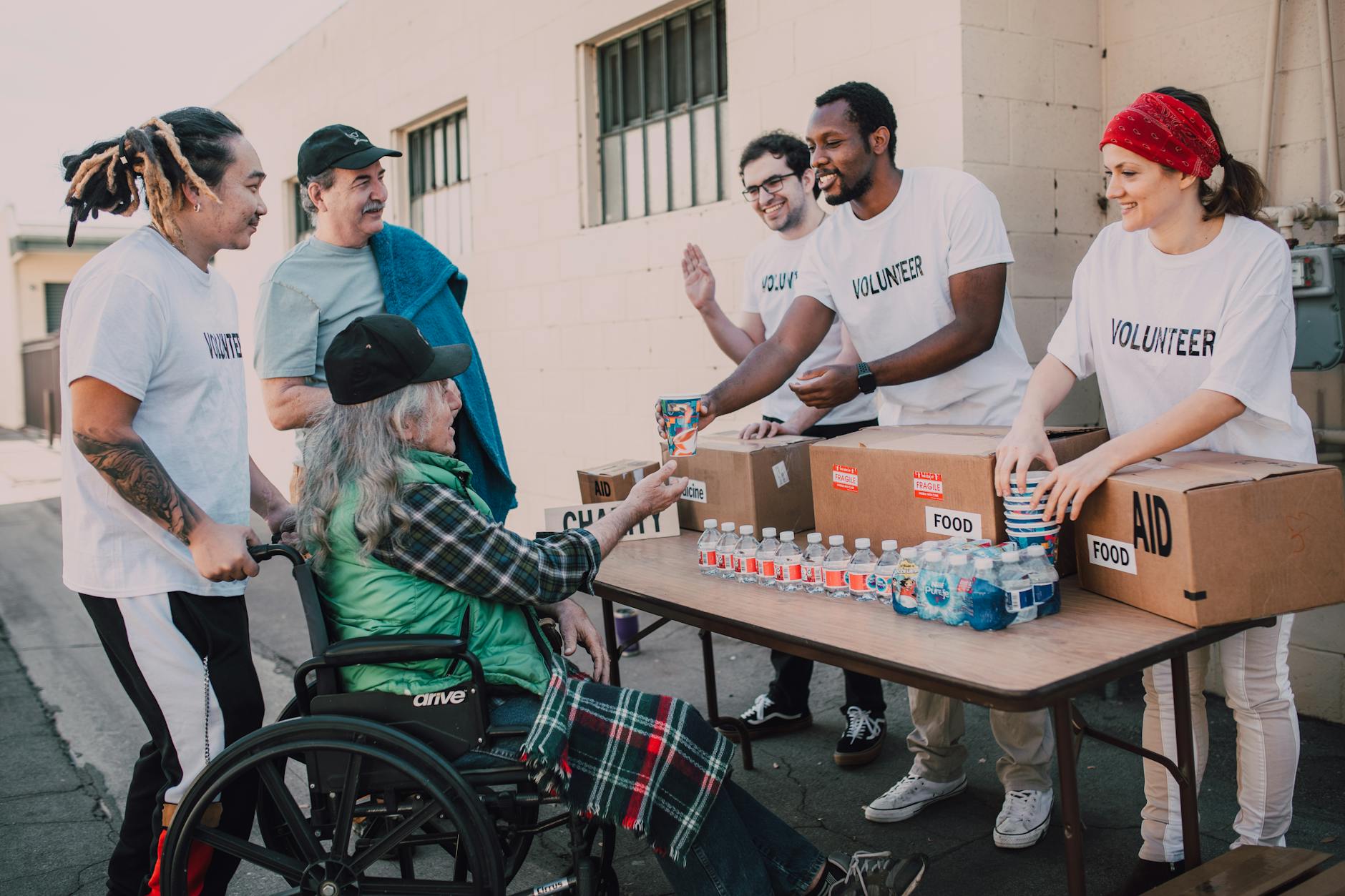
Photo: cottonbro studio / Pexels
California, a state known for its innovation and diverse communities, is also a beacon of philanthropic spirit. Across its vast landscapes, from bustling urban centers to serene rural towns, countless nonprofits are tirelessly working to address a myriad of social, environmental, and humanitarian challenges. These organizations form the backbone of community support, providing essential services, advocating for change, and enriching the lives of millions. However, their ability to operate and expand their reach is often directly tied to the dedication of volunteers. Understanding the profound impact of volunteer opportunities California nonprofit organizations offer is the first step towards a truly transformative experience, both for the individual and the community. When you dedicate your time, skills, and energy to a California nonprofit, you become an integral part of a larger mission. Your efforts might help feed the hungry, shelter the homeless, protect endangered species, educate underserved youth, or provide critical support to vulnerable populations. Each hour volunteered translates into tangible progress and measurable change. For instance, a volunteer at a food bank isn't just sorting cans; they're ensuring a family doesn't go to bed hungry. A volunteer at an environmental cleanup isn't just picking up trash; they're restoring vital ecosystems and safeguarding public health. This direct correlation between effort and impact is what makes volunteering so uniquely rewarding. Beyond the immediate benefits to the cause, volunteering also offers significant advantages to the volunteer themselves. Studies consistently show that engaging in altruistic activities can boost mental health, reduce stress, and foster a sense of purpose and belonging. It provides opportunities to learn new skills, expand professional networks, and gain invaluable experience that can enhance career prospects. For students, it can fulfill service requirements and strengthen college applications. For retirees, it offers a fulfilling way to stay active and engaged. Moreover, volunteering connects individuals with like-minded people, building stronger community bonds and fostering a sense of collective responsibility. It's a chance to step outside your daily routine, challenge yourself, and see the world from a different perspective. The diversity of volunteer opportunities within California's nonprofit sector is truly remarkable. Whether you're passionate about animal welfare, arts and culture, education, healthcare, environmental conservation, or social justice, there's a nonprofit eagerly awaiting your contribution. The key is to find the right fit – an organization whose mission aligns with your values and whose needs match your available time and skills. This initial exploration is crucial to ensuring a sustainable and mutually beneficial volunteering relationship. Many resources exist to help prospective volunteers navigate this landscape, from online databases to local community centers. The commitment to service, however small or large, contributes to the collective well-being of California's communities, making the state a better place for everyone. Dive into the world of nonprofit volunteering and discover how your actions can create ripples of positive change across the Golden State. For more insights on the broader impact of such organizations, explore how
nonprofits drive community change.
Navigating the Landscape: Finding Your Ideal California Nonprofit Cause
With thousands of nonprofit organizations operating across California, finding the right fit for your volunteering aspirations can seem daunting, yet it’s an incredibly rewarding journey. The diversity of causes reflects the rich tapestry of issues and passions within the state. To effectively navigate this landscape and discover your ideal volunteer opportunities California nonprofit organizations provide, a strategic approach is key. Start by defining your 'why.' What problems in the world keep you up at night? What skills do you possess that you'd love to share? Do you prefer working directly with people, animals, or the environment? Are you looking for a short-term project or a long-term commitment? Answering these questions will help narrow down the vast options. For example, if you're passionate about environmental protection, you might look for coastal cleanups, park restoration projects, or organizations advocating for sustainable policies. If you have a knack for teaching, tutoring programs for children or adults might be a perfect match. If you're an animal lover, shelters, rescues, or wildlife rehabilitation centers are often in desperate need of assistance. Once you have a clearer idea of your interests, leverage online search tools. Websites like VolunteerMatch, Idealist, and HandsOn Connect are excellent resources that allow you to search for opportunities by location, cause, skill, and availability. Many local community foundations and United Way chapters also maintain databases of local volunteer needs. Don't forget to check the websites of specific nonprofits you admire; they often have dedicated 'volunteer' sections detailing current openings and application processes. Consider the logistics. How much time can you realistically commit each week or month? Is transportation an issue? Are you looking for virtual opportunities or hands-on fieldwork? Some roles require specific training or background checks, especially when working with vulnerable populations. Be prepared for these requirements, as they are in place to ensure the safety and well-being of both volunteers and those they serve. Geographic location within California also plays a significant role. Volunteer opportunities in bustling metropolitan areas like Los Angeles, San Francisco, or San Diego might differ significantly from those in smaller, rural communities in the Central Valley or the far north. Urban areas often have a wider array of specialized nonprofits focusing on specific issues, while rural areas might have broader community-focused organizations that cover multiple needs. Networking is another powerful tool. Talk to friends, family, and colleagues who volunteer. They can provide personal insights, recommendations, and even introductions to organizations they trust. Attend local community events, fairs, or open houses where nonprofits often set up booths to recruit volunteers and raise awareness. This face-to-face interaction can give you a better feel for an organization's culture and needs. Finally, be open to exploring different types of roles within a nonprofit. While direct service roles are common, organizations also need help with administrative tasks, fundraising, marketing, event planning, data entry, social media management, and more. Your professional skills, whether in accounting, graphic design, or project management, can be incredibly valuable even if they don't seem directly related to the core mission. Embracing this versatility can open up even more fulfilling volunteer pathways. The journey to finding your ideal California nonprofit cause is an exploration of both community needs and your own potential for positive impact.
Maximizing Your Impact: Best Practices for California Volunteers
Once you've identified and committed to volunteer opportunities California nonprofit organizations offer, the next step is to ensure your contribution is as impactful and sustainable as possible. Being an effective volunteer goes beyond just showing up; it involves a commitment to professionalism, reliability, and continuous learning. Adopting best practices not only enhances your personal experience but also significantly strengthens the organization you're serving. First and foremost, reliability is paramount. Nonprofits, particularly those with limited staff and resources, depend heavily on their volunteers to fulfill critical functions. If you commit to a specific time or task, it's crucial to follow through. If unforeseen circumstances arise, communicate promptly and clearly with your supervisor. This respect for their time and planning helps maintain smooth operations and builds trust. Punctuality is also a simple yet powerful way to show respect and dedication. Arrive on time, ready to work, and prepared for your tasks. This allows the organization to start activities on schedule and maximizes the time available for service. Another key best practice is active listening and clear communication. When you receive instructions, listen carefully and ask clarifying questions if anything is unclear. Don't be afraid to seek guidance; it's better to ask than to make a mistake that could require more resources to fix. Similarly, provide constructive feedback when appropriate, but always do so respectfully and through established channels. Understanding and adhering to the organization's policies and procedures is also vital. This includes everything from safety protocols and confidentiality agreements to dress codes and volunteer guidelines. These rules are in place to ensure the safety of everyone involved, protect sensitive information, and maintain a professional environment. Familiarize yourself with them during orientation and don't hesitate to ask if you have questions. Be proactive and take initiative. While it's important to follow instructions, once you've gained familiarity with your role, look for ways to contribute beyond the minimum. Can you suggest a more efficient way to complete a task? Do you see an unmet need that you could potentially address? Offering to help with additional tasks, within your capabilities and the organization's scope, demonstrates dedication and can greatly enhance your value as a volunteer. Embrace a learning mindset. Every volunteer experience is an opportunity to learn new skills, understand complex social issues, and grow personally. Be open to feedback, seek out training opportunities offered by the nonprofit, and continuously look for ways to improve your performance. This growth benefits both you and the organization. Finally, remember to practice self-care. While volunteering is incredibly rewarding, it can also be emotionally or physically demanding, especially in certain fields. Know your limits, take breaks when needed, and don't overcommit yourself to the point of burnout. A well-rested and engaged volunteer is far more effective than an exhausted one. By integrating these best practices, you can maximize your positive impact on the community and ensure a fulfilling and sustainable volunteering journey within the vibrant California nonprofit sector. For a deeper understanding of sustainable practices, consider exploring resources on
sustainable nonprofit management.
Common Pitfalls & How to Avoid Them in California Volunteering
While the desire to contribute through volunteer opportunities California nonprofit organizations provide is commendable, navigating the world of volunteering can sometimes present unforeseen challenges. Being aware of common pitfalls and knowing how to avoid them can significantly enhance your experience and ensure your efforts are truly beneficial to the cause.
**1. Overcommitting Yourself:**
* **Pitfall:** Enthusiastic volunteers often sign up for too many hours or too many different roles, leading to burnout, missed shifts, and a decrease in quality of work.
* **Avoidance:** Be realistic about your availability and energy levels. Start with a smaller commitment and gradually increase it if you find you have more time. It's better to consistently contribute a few hours than sporadically offer many.
**2. Lack of Communication:**
* **Pitfall:** Not communicating changes in availability, asking questions, or providing feedback can lead to misunderstandings, missed opportunities, and frustration for both the volunteer and the organization.
* **Avoidance:** Maintain open and honest communication with your volunteer coordinator. If you're going to be late or absent, inform them as soon as possible. Don't hesitate to ask for clarification on tasks.
**3. Unrealistic Expectations:**
* **Pitfall:** Some volunteers expect immediate, dramatic results or glamorous tasks, which can lead to disappointment if their role involves more mundane but equally critical work.
* **Avoidance:** Understand that many nonprofit roles involve administrative tasks, fundraising, or less visible support work that is essential for the organization's success. Embrace every task as contributing to the larger mission.
**4. Not Aligning with Organizational Culture:**
* **Pitfall:** Joining an organization whose values, pace, or working style doesn't match your own can lead to discomfort and disengagement.
* **Avoidance:** Research the organization thoroughly before committing. Attend orientations, ask questions about their mission and work environment, and ensure it feels like a good cultural fit for you.
**5. Ignoring Training and Protocols:**
* **Pitfall:** Skipping training sessions or disregarding established procedures can lead to errors, safety issues, or inefficiency, especially in sensitive areas like data privacy or direct service.
* **Avoidance:** Take all required training seriously. Understand and follow all policies, particularly those related to safety, confidentiality, and interaction with beneficiaries. These are in place for good reasons.
**6. Focusing Solely on Personal Gain:**
* **Pitfall:** While volunteering offers personal benefits, if the primary motivation is solely resume building or networking without genuine commitment to the cause, it can be evident and undermine the spirit of service.
* **Avoidance:** Approach volunteering with a selfless attitude, prioritizing the needs of the organization and its beneficiaries. The personal benefits will naturally follow a genuine commitment to service.
By being mindful of these common challenges, you can ensure your journey as a volunteer in California is both effective and deeply satisfying, allowing you to truly make a difference without unnecessary setbacks.